Showing posts with label Tamil Nadu. Show all posts

All I knew about Ranipet

Origination of Ranipet:

Ranipet town was built around the year 1771 by Sadullakhan in honor of the youthful widow of Desingh Raja of Gingee (now its chengi) - who committed Sati upon her husband's death. Out of respect for Desingh Raja's valor and his wife's devotion, the Nawab formed a new village opposite to Arcot on the Northern bank of Palar river and named it as "Ranipettai".

The town gained importance since the establishment of European cantonment. About a mile west of Ranipet is a remarkable thope extending along the Palar river, for a distance of 4.8 Km which is known as 'Navlakh Bagh'. It is supposed to contain 9 lakhs of trees and hence the name "Navlakh Bagh".

The local legend states that when the Moghuls first occupied Arcot, the lands around were covered with woods, which the Nawab cut down. The birds that were deprived of their nesting places flocked to the palace and tormented the Nawab with their plaintive cries until he appeased them by planting this extensive thope.

Hospital

Dr.Ida Scudder first started a hospital here, which is a initiative for building Christian Medical College (CMC) in Vellore. The famous Christian Medical College and Hospital in Vellore started its function first by the name Scudder Memorial Hospital (SMH) in Ranipet.

Rail line

The second railway line of the Indian subcontinent started from Royapuram in North Madras to Ranipettai. The line was opened for traffic in July 1856.

According to information available with the Southern Railway, "Two trains each with coaches made by Simpson & Co, the leading coachbuilders of the day, inaugurated the service. One carried the Governor and 300 Europeans and the other with Indian invitees followed. The Illustrated London News gave a graphic description of the inaugural train passing across the arid plain of the Carnatic, frightening herdsmen and cattle."

"The complexity of the Indian Railway operations and the range of facilities required for the hierarchic and heterogeneous nature of the passenger traffic forced colonial railway authorities to build railway stations that reflect their Imperial power."

Industries

There are a number of large and medium scale leather industries making both finished leather and leather articles such as shoes and garments for export. There are other small scale industries in Ranipet mostly engaged in chemical, leather and tool making. These industries are the major lifeline for the town.

One of the oldest companies in Ranipet that was formed in early 19th century is East India Distilleries (EID). Messrs Parry and Company has an establishment here for the manufacture of chemicals and ceramic warestion. Parry named after Thomas Parry who sailed to India and started a merchant business in India. The branch of EID Parry located in Ranipet, is one of the largest ceramic plants in South India. In addition to Ceramics, this company also produces fertilizers in this location sold to farmers around the country. EID Parry also produces confectioneries in other locations.

After the acquisition of the company Johnson & Pedder, EID Parry also acquired the pride of producing Ballerina ceramic designs in India. Most residents, several decades ago, worked for EID Parry before the expansion of Sipcot Industrial complex and arrival of Central government aided engineering unit such as BHEL.

The town is home to the Boiler Auxiliaries Plant of Bharat Heavy Electricals Limited (BHEL), a major Central Government owned enterprise. Ranipet also has about 250 small scale engineering units catering mainly to BHEL. Ranipet, is probably the second largest fabrication cluster in India. Arcelor-Mittal's Dhamm processing Ltd has invested more than 100 crores . Metco Roof has acquired land for their new unit.

Malladi drugs and pharmaceuticals Ltd is located in Ranipet. They have 4 manufacturing units in Ranipet. Ranipet holds the credit of being the second largest leather industrial estate in India.

More than 60% of Asia’s leather production comes from Ranipet and it is the second largest foreign exchange earner in Tamil Nadu.

Some of the know industries are:
  • State Industries Promotion Corporation of Tamil Nadu Limited (SIPCOT) Industrial Complex on the Chennai- Bangalore Highway.
  • Thirumalai Chemicals Limited (TCL), started production of Phthalic Anhydride in 1976 in Ranipet, in South India.
  • Boiler Auxiliaries Plant of Bharat Heavy Electricals Limited (BHEL).
  •  EID (East India Distilleries) Parry.
  •  Malladi drugs and pharmaceuticals Ltd.
Ranipet is also noted for manufacturing beedi. The weekly cattle shandy here attracts numerous people from neighbouring areas.

Schools

Schools like Government higher secondary school, Vilva Ratna Villa (VRV) girls higher secondary school, and Little Flower Convent (LFC) , in the Ranipet, gave many scholars for decades. These schools still holds the fame and name for the educational services. Vetrimaaran, a Tamil film director, studied in Ranipet upto his tenth grade.

Facts

The historical Delhi Gate, situated on the banks of river Palar, is a major attraction.

Ranipet is 110 km from Chennai, by road. Walajah Road Junction Railway Station is the nearest railhead. The nearest airport is Chennai International Airport.

Ranipet in Tamil Nadu, known for its tanneries and chemical treatment units, is the lone Indian city to make it to the top 10 dirtiest and polluted industrial cities in the world.

Located about 100 miles upstream from Chennai, Ranipet is the fourth largest urban area in India with a 3.5 million population.

Although Ranipet is a medium-sized town, its problems pose a potential risk to the population of the nearby Vellore city.

A factory in Ranipet manufactures sodium chromate, chromium salts and basic chromium sulfate tanning powder used in the leather industry.

According to a study by the Tamil Nadu Pollution Control Board, nearly 15 lakh tonne of solid wastes accumulated over two decades of plant operation are stacked in an open yard on the premises contaminating the groundwater. The contamination has affected the health, resources and livelihood of thousands, the BI report said.

There is widespread fear that if the pollution level is left unchecked, the Palar basin, the main drinking water source in the region, could also be contaminated.

The very first statue for the father of India, Mahatma Gandhiji, is installed in ranipet after his death. Recently, the statue is renewed and placed in Ranipet government higher secondary school.

During British rule, Kamaraj was wanted by British. That time Kamaraj got sheltered in Ranipet. ()

There is also another fact that Ranipet is a gift given by arcot nawah to his wife as token of love.

Most of these facts and other information are gathered from websites and local folks. Please feel free to share more facts on Ranipet and let the future generation to knew and learn more about Ranipet.

Tamil and its significance

தமிழ் எழுத்து பிறந்த கதை அறிவோமா?
Tamil and its significance

அ, ஆ, இ, ஈ, உ, ஊ, எ, ஏ, ஐ, ஒ, ஓ, ஒள (உயிர் எழுத்துக்கள்)
நாக்கு வாயின் மேல் அண்ணத்தைத் தொடாமலும் காற்றின் உதவியால் மட்டுமே ஏற்படும் ஒலி.
உயிருக்கு முதன்மையானது காற்று என்பதால் காற்றை மட்டும் பயன்படுத்தி ஏற்படும் இவ்வொலிகளை உயிர் எழுத்துக்கள்.

க், ங், ச், ஞ் ட், ண், த், ந், ப், ம், ய், ர், ல், வ், ழ், ள், ற், ன் (மெய் எழுத்துக்கள்)
நாக்கு வாயின் மேல் அண்ணத்தைத் தொடும்.
இவ்வொலிகளை ஏற்படுத்தும்போது காற்றின் பங்கைவிட உடலின் பங்கு அதிகம் என்பதால் இவற்றுக்கு மெய்யொலிகள் என்று பெயர் சூட்டப்பட்டது.

உயிர் எழுத்துக்கள்: 12
மெய் எழுத்துக்கள்: 18
உயிர்மெய் எழுத்துக்கள்: 216
ஆய்த எழுத்து: 1
தமிழ் எழுத்துக்கள் மொத்தம்: 247


நம்மொழிக்கு தமிழ் என்று எப்படி பொருள் வந்தது என்பதைக் காண்போம்.


க, ச, ட, த, ப, ற - ஆறும் வல்லினம்.
ங, ஞ, ண, ந, ம, ன - ஆறும் மெல்லினம்.
ய, ர, ல, வ, ழ, ள - ஆறும் இடையினம்.

உலக மாந்தன் முதல் முதலில் பயன்படுத்திய உயிர் ஒலிகள் அ(படர்க்கை), இ(தன்னிலை), உ(முன்னிலை) என்பது பாவாணர் கருத்து.
தமிழின் மெய் எழுத்துக்களில் வல்லினத்தில் ஒன்றும், மெல்லினத்தில் ஒன்றும், இடையினத்தில் ஒன்றுமாக மூன்று மெயெழுத்துக்களை­த் தேர்ந்தெடுத்தனர். அவை த், ம், ழ் என்பவை.

இந்த மூன்று மெய்களுடன் உலகின் முதல் உயிரெழுத்துக்களை வரிசைப்படுத்தி முறையே கூட்டி த்+அ கூடி 'த' வாகவும், ம்+இ கூடி 'மி' யாகவும், ழ்+உ கூடி "ழு" வாகவும் என்று தமிழு என்று ஆக்கி, பிறகு கடையெழுத்திலுல்ல உகரத்தைத் நீக்கி தமிழ் என்று அழைத்தனர். அழகே அமுதே அழகிய மொழியே எனதுயிரே!

Why do we go to temple?


கோயிலுக்கு நாம் ஏன் செல்ல வேண்டும்? (ஒரு அறிவியல் பூர்வமான அலசல்)
Why do we go to temple


இதைப் படிக்க ஆரம்பிக்கும் முன் இது எல்லா ஃபாஸ்ட்ஃபுட் கோயில்களுக்கும் பொருந்தாது என்பதை கவனத்தில்கொள்ள வேண்டும். எல்லா லட்சணங்களையும் கொண்டிருக்கும் கோயில்களுக்கு மட்டும் தான் இது. பழங்காலத்து கோயில்களில் எல்லாம் இது 100% சதவிகிதம் உள்ளது.

எப்படி எனறு கேட்பவர்களுக்கு கொஞ்சம் விளக்கமாக சொல்கிறேன்.:

பூமியின் காந்த அலைகள் அதிகம் வீசப்படும் இடங்கள்தான் இந்த கோயில்களின் சரியான லொகேஷன். இது பொதுவாக ஊருக்கு ஒதுக்குபுறமான இடங்கள், மலை ஸ்தலங்கள் மற்றும் ஆழ்ந்த இடங்கள் தான் இதன் ஐடென்டிட்டி.

கோயில்களில் ஒரு அபரிதமான காந்த சக்தியும், பாஸிட்டிவ் எனர்ஜியும் அதிகம் கொண்டிருக்கும். இது நார்த் போல் சவுத் போல் திரஸ்ட் வகை ஆகும். முக்கிய சிலைதான் இந்த மையப்பகுதியில் வீற்றீருக்கும். அதை நாம் கர்ப்பகிரகம் அல்லது மூலஸ்தானம் என கூறுவோம்.

இந்த மூலஸ்தானம் இருக்கும் இடம் தான் அந்த சுற்று வட்டாரத்திலேயே அதிகம் காணப்படும் அந்த காந்த மற்றும் பாஸிட்டிவ் எனர்ஜி. பொதுவாக இந்த மூலஸ்தானம் சுயம்பாக உருவாகும் அல்லது அங்கே கிடைக்க பெறும் சிலை அப்புறம் தான் கோயில் உருவாகும்.

நிறைய கோயில்களின் கீழே அதுவும் இந்த மெயின் கர்ப்பகிரகத்தின் கீழே சில செப்பு தகடுகள் பதிக்கபட்டிருக்கும் அது எதற்கு தெரியுமா? அது தான் கீழே இருக்கும் அந்த எனர்ஜியை அப்படி பன்மடங்காக்கி வெளிக் கொணரும்.

அதுபோக எல்லா மூலஸ்தானமும் மூன்று சைடு மூடி வாசல் மட்டும் தான் திறந்து இருக்கும் அளவுக்கு கதவுகள் இருக்கும். இது அந்த எனர்ஜியை லீக் செய்யாமல் ஒரு வழியாக அதுவும் வாசலில் இடது மற்றும் வலது புறத்தில் இருந்து இறைவனை வணங்கும் ஆட்களுக்கு இந்த எனர்ஜி கிடைக்கும்.

இது உடனே தெரியாமல் இருக்கும் ஒரு எனர்ஜி. ரெகுலராய் கோயிலுக்கு செல்லும் ஆட்களுக்கு தெரியும் ஒரு வித எனர்ஜி அந்த கோயிலில் கிடைக்கும் என்று.

அது போக கோயிலின் பிரகாரத்தை இடமிருந்து வலமாய் வரும் காரணம் எனர்ஜியின் சுற்று பாதை இது தான் அதனால் தான் மூலஸ்தானத்தை சுற்றும் போது அப்படியே எனர்ஜி சுற்றுபாதை கூட சேர்ந்து அப்படியே உங்கள் உடம்பில் வந்து சேரும். இந்த காந்த மற்றும் ஒரு வித பாசிட்டிவ் மின்சார சக்தி நமது உடம்புக்கும் மனதிற்கும் ஏன் மூளைக்கும் தேவையான ஒரு பாஸிட்டிவ் காஸ்மிக் எனர்ஜி.

மூலஸ்தானத்தில் ஒரு விளக்கு கண்டிப்பாய் தொடர்ந்து எரிந்து கொண்டிருக்கும் அது போக அந்த விக்கிரகத்திற்க்கு பின் ஒரு விளக்கு (இப்போது நிறைய கோயில்களில் பல்புதான்) அதை சுற்றி கண்ணாடி அது செயற்க்கை ஒளி வட்டம் வருவதற்க்கு அல்ல அது அந்த எனர்ஜியை அப்படி பவுன்ஸ் செய்யும் ஒரு டெக்னிக்கல் செயல்தான்.

அது போக மந்திரம் சொல்லும் போதும், மணியடிக்கும் போதும் அங்கே செய்யபடும் அபிஷேகம் அந்த எனர்ஜியை மென்மேலும் கூட்டி ஒரு கலவையாய் வரும் ஒரு அபரிதமான எனர்ஜி ஃபேக்டரிதான் மூலஸ்தானம்.

இவ்வளவு அபிஷேகம், கர்ப்பூர எரிப்பு, தொடர் விளக்கு எரிதல் இதை ஒரு 10க்கு 10 ரூமில் நீங்கள் செய்து பாருங்கள் இரண்டே நாளில் அந்த இடம் சாக்கடை நாற்றம் எடுக்கும் ஆனால் கோயிலில் உள்ள இந்த கர்ப்பகிரகம் மற்றும் எத்தனை வருடம் பால், தயிர், பஞ்சாமிர்தம், தேன், சந்தனம், குங்குமம், விபூதி மற்றும் எண்ணெய், சீயக்காய் போன்ற எவ்வளவு விஷயங்களை கொன்டு அபிஷேகம் செய்தாலும் இந்த இடம் நாற்றம் என்ற விஷயம் வரவே வராது.

அது போக கடைசியில் செய்யும் சொர்ணாபிஷேகம் இந்த எனர்ஜியை ஒவ்வொரு நாளும் கூட்டிகொண்டே செல்லும். பூக்கள், கர்ப்பூரம் (பென்ஸாயின் கெமிக்கல்), துளசி (புனித பேஸில்), குங்குமப்பூ (சேஃப்ரான்),கிராம்பு (கிளவ்) இதை சேர்த்து அங்கு காப்பர் செம்பில் வைக்கபட்டு கொடுக்கும் தீர்த்தம் ஒரு அபரித சுவை மற்றும் அதன் சுவை கோயிலில் உள்ளது போல் எங்கும் கிடைக்காது.

இதை ஒரு சொட்டு அருந்தினால் கூட அதில் உள்ள மகிமை மிக அதிகம். இதை ரெகுலராய் உட்கொண்டவர்களுக்கு இது ஒரு ஆன்டிபயாட்டிக் என்றால் அதிகமில்லை.

இதை மூன்று தடவை கொடுக்கும் காரணம் ஒன்று உங்கள் தலையில் தெளித்து இந்த உடம்பை புண்ணியமாக்க, மீதி இரண்டு சொட்டு உங்கள் உடம்பை பரிசுத்தமாக்க.

இன்று ஆயிரம் பற்பசை அமெரிக்காவில் இருந்து வந்தாலும் ஏன் கிராம்பு, துளசி, வேம்பின் ஃபார்முலாவில் தயாரிக்கும் காரணம் இது தான் இந்த தீர்த்தம் வாய் நாற்றம், பல் சுத்தம் மற்றும் இரத்ததை சுத்த படுத்தும் ஒரு அபரிதமான கலவை தான் இந்த தீர்த்தம்.

கோயிலுக்கு முன்பெல்லாம் தினமும் சென்று வந்த இந்த மானிடர்களுக்கு எந்த வித நோயும் அண்டியது இல்லை என்பதற்கு இதுதான் காரணம்.

கோயிலின் அபிஷேகம் முடிந்து வஸ்த்திரம் சாத்தும் போது மற்றும் மஹா தீபாராதனை காட்டும் போது தான் கதவை திறக்கும் காரணம் அந்த சுயம்புக்கு செய்த அபிஷேக எனர்ஜி எல்லாம் மொத்தமாக உருவெடுத்து அப்படியே அந்த ஜோதியுடன் ஒன்று சேர வரும் போது தான் கதவை அல்லது திரையை திறப்பார்கள் அது அப்படியே உங்களுக்கு வந்து சேரும் அது போக அந்த அபிஷேக நீரை எல்லோருக்கும் தெளிக்கும் போது உங்கள் உடம்பில் ஒரு சிலிர்ப்பு வரும் காரணம் இது தான்.

கோயிலுக்கு மேல் சட்டை அணிந்து வர வேண்டாம் என கூறுவதற்கும் இது தான் முக்கிய காரணம் அந்த எனர்ஜி, அப்படியே மார்பு கூட்டின் வழியே புகுந்து உங்கள் உடம்பில் சேரும் என்பது ஐதீகம். பெண்களுக்கு தாலி அணியும் காரணமும் இது தான்.

நிறைய பெண்களுக்கு ஆண்களை போன்று இதய நோய் வராமல் இருக்கும் காரணம் இந்த தங்க மெட்டல் இதயத்தின் வெளியே நல்ல பாஸிட்டிவ் எனர்ஜியை வாங்கி கொழுப்பை கூட கரைக்கும் சக்தி இருப்பதாக ஒரு கூடுதல் தகவல். மாங்கல்யம், கார் சாவி மற்றும் புது நகைகள் இதையெல்லாம் இங்கு வைத்து எடுத்தால் அந்த உலோகங்கள் இதன் எனர்ஜீயை அப்படியே பற்றி கொள்ளுமாம். இது சில பேனாக்கள் மற்றும் பத்திரிகை மற்றும் எல்லாவற்றுக்கும் பொருந்தும்.

கல் சிலையின் முன் வைத்து எடுக்கும் இவர்களை என்னவென்று கூறும் அறிவாளிகள் இதன் எனர்ஜிதான் அங்கிருந்து இதில் படும் என்பது தான் இதன் பிளஸ் பாயின்ட். எவ்வளவு பேர் பல மைல் தூரத்தில் இருந்து பயணம் செய்திருப்பினும் அந்த சில நொடிகளில் தரிசனம் கிட்டும்போது அந்த உடம்பில் ஒரு மென்மையான சிலிர்ப்பும், ஒரு வித நிம்மதியும் ஒரு எனர்ஜி வந்து மிச்சம் உள்ள எவ்வளவு பெரிய பிரகாரத்தையும் சுற்றி வரும் ஒரு எனர்ஜு ரீசார்ஜ் பாயின்ட் தான் இந்த கோயிலின் மூலஸ்தானம்.

அது போக கோயிலின் கொடி மரத்திற்க்கும் இந்த பரிகாரத்திற்க்கு ஒரு நேரடி வயர்லெஸ் தொடர்பு உண்டென்றால் அது மிகையாகது.

கோயில் மேல் இருக்கும் கலசம் சில சமயம் இரிடியமாக மாற இது தான் காரணம். கீழ் இருந்து கிளம்பும் மேக்னெட்டிக் வேவ்ஸ் மற்றும் இடியின் தாக்கம் தான் ஒரு சாதாரண கலசத்தையும் இரிடியமாக மாற்றும் திறன் படைத்தது.

அது போக கோயில் இடி தாக்கும் அபாயம் இல்லாமல் போன காரணம் கோயில் கோபுரத்தில் உள்ள இந்த கலசங்கள் ஒரு சிறந்த மின் கடத்தி ஆம் இது தான் பிற்காலத்தில் கண்டெடுக்கபட்ட லைட்னிங் அரெஸ்டர்ஸ்.

அது போக கொடி மரம் இன்னொரு இடிதாங்கி மற்றும் இது தான் கோயிலின் வெளி பிரகாரத்தை காக்கும் இன்னொரு டெக்னிக்கல் புரட்டக்டர்.

அது போக கோயில் கதவு என்றுமே மரத்தில் செய்யபட்ட ஒரு விஷயம் ஏன் என்றால் எல்லா ஹை வோல்ட்டேஜெயும் நியூட்ர்ல் செய்யும் ஒரு சிறப்பு விஷயம்.

இடி இறங்கினால் கோயிலின் கதவுகளில் உள்ள மணி கண்டிப்பாக அதிர்ந்து ஒருவித ஒலியை ஏற்படுத்தும் இதுவும் ஒரு இயற்கை விஷயம் தான். நல்ல மானிடர் இருவேளை கோயிலுக்கு சென்று வந்தால் மனிதனின் உடல் மட்டுமல்ல அவனின் மனதும் மூளையும் சுத்தமாகும்.

சுத்த சுவாதீனம் இல்லாதவர்களை கூட கோயிலில் கட்டி போடும் விஷயம் இந்த எனர்ஜி ஒரு மாற்றத்தை ஏற்படுத்தும் என்பது தான், நியதி.

கோயிலின் மடப்பள்ளியில் கிடைக்கும் புளியோதரை ஆகட்டும் சர்க்கரை பொங்கலாகட்டும் இந்த டேஸ்ட்டை எந்த ஒரு ஃபைவ் ஸ்டார் கிச்சனும் கொடுத்துவிட முடியாது என்பது தான் நியதி. சில கோயில்களில் இரண்டு அல்லது நாலு வாசல் இருக்கும் காரணம் இந்த எனர்ஜி அப்படியே உங்களுடன் வெளியே செல்ல வேண்டும் எனற மூத்தோர்கள் நமக்கு வகுத்த சூத்திரம் தான் இந்த கோயில் டெக்னாலஜி.

Vishwaroopam stands banned until Feb 4th

The Madras High Court today set aside the single Judge order yesterday setting aside the TN ban on Kamal Haasan's Vishwaroopam. The ban on the film has been extended until Feb 4th until which the film cannot be released.

Meanwhile Actor Kamal Haasan has agreed to delete some objectionable scenes in his mega-budget thriller Vishwaroopam. The actor is believed to have held a meeting with Muslim leaders and the two parties have mutually arrived at a consensus and the issue has been sorted amicably.

"My Muslim family has reached out to me. I will do everything for my brothers. I have agreed to modify my film,' said the actor.
 Kamal Haasan emphasised on the fact that the film is Pro-Indian Muslims and that he does believe that he is a victim of somebody's confusion over what he is trying to convey through his film. The actor has said that it is now the government and the Police's duty to maintain law and order pertaining to the violence triggered because of the film.

Earlier in the day hundreds of Kamal Haasan fans, who had gathered in front of movie halls here waiting for the screening of his movie 'Vishwaroopam', had to return disappointed after shows were stopped. The film was initially supposed to release in Tamil and Telugu on Jan 25th and in Hindi on Feb 1st.

Cyclone Nilam

With Cyclone Nilam over Bay Bengal expected to hit the coastal areas of Tamil Nadu and Andhra Pradesh by the evening on Wednesday, the authorities in two southern states are on high alert.

According to the Director, Chennai Metrological Department, Ramanna, “The cyclone is 270 kilometres away from Chennai. It is expected to make landfall by 5 pm. Cyclone Nilam is heading northwest to cross anywhere between Nagapattinam in Tamil Nadu and Nellore in Andhra Pradesh during the next few hours.”

The Met official also warned that destructive winds and rains unleashed by the cyclone are likely to disrupt daily lives in Tamil Nadu and adjoining south Andhra Pradesh.

Heavy to very heavy rain is expected during the next 24 to 48 hours at many places in Tamil Nadu with widespread moderate rain over most of the places in the state. South Andhra Pradesh, Tamil Nadu, Kerala and Karnataka would also be affected by the cyclone as many places would receive rain with heavy spells at a few places during the next couple days.

As per the Met officials, Nagapattinam, Thiruvarur, Tanjavaur, Tiruchirappalli, Cuddalore, Pondicherry, Villupuram, Kanchipuram, Chennai, Tiruvannamalai, Vellore and Tiruvallur districts in Tamil Nadu and Nellore, Chittor, Anantapur, Cuddapa and Kurnool districts in Andhra Pradesh will be the most affected by the cyclone.

Some places in Kerala would also experience the impact of this cyclone.

Telecommunication, Electricity, Rail, Road and Flights services will be affected by the cyclone. The coastal areas would be most affected as along with very heavy rain, they also have to encounter the high tides causing floodings.

The cyclone, some 500 km away in the southwest in the Bay of Bengal is said to be fast moving in a northwest direction. After landing it would weaken as it will lose most of its energy and would then approach again in the same direction. It is expected to become a low after the next 72 hours.

The Met department said, “Rainfall is expected at most places over coastal Tamil Nadu and Andhra Pradesh. Wind speed would reach around 80 kmph and prevail along and off north Tamil Nadu, Puducherry and adjoining south Andhra Pradesh coasts as Nilam nears its landfall.”

The sea condition will be rough along and off north Tamil Nadu, Puducherry and south Andhra Pradesh coasts during the next 36 hour.

Storm surge of about 1 to 1.5 metre over the astronomical tide is likely to inundate the low lying areas of Chennai, Kanchipuram and Tiruvallur districts in Tamil Nadu and Nellore district of Andhra Pradesh.

Standing crops - paddy, groundnut and maize - in coastal districts of Tamil Nadu and Andhra Pradesh are likely to be damaged, said a weather bulletin.

The Tamil Nadu government has announced holiday for schools and colleges in the coastal districts.

Five coastal districts in Andhra which are in Nilam's path are on alert. Fishermen have been advised not to venture out in sea till the storm settles. Rescue and relief teams are also on standby and shelters being prepared in case evacuation becomes necessary.

The disaster management agency of the state is supervising the precautionary arrangements being taken by the local administration to minimise the loss of human life and property in case of any eventuality.

The Chennai port on the southeast coast has stopped cargo operations after a cyclone warning.

Perunthalaivar Kamaraj


Kamraj was born on July 15, 1903, in a family of traders at Virudunagar. His real name was Kamakshi Kumaraswamy Nader but was affectionately shortened to Raja by his mother, Sivakami Ammal. His father, Kumarswamy Nader, was a coconut merchant. Kamaraj was enrolled at the local elementary school, the Nayanar Vidyalaya but was later shifted to the high school Kshatriya Vidyalaya.
 
Unfortunately his father died within a year of Kamaraj’s enrollment in school. Kamaraj’s mother sold all jewelry except her earrings and deposited the money with a local merchant and cared for the entire family on the monthly interest that the money earned.
Kamaraj was not a good student in school and dropped out when he was in the sixth grade. When he entered mainstream public life he felt handicapped and realized the importance of a good education. He educated himself during his periods of imprisonment and even learned English from his co-worker.

Kamaraj joined as an apprentice in his maternal uncle Karuppiah’s cloth shop after dropping out of school. He would slip out from the shop to join processions and attend public meetings addressed by orators like Dr. Varadarajulu Naidu and George Joseph. His relatives frowned upon Kamaraj ‘s budding interest in politics. They sent him to Thiruvananthapuram to work at another uncle’s timer shop. Even there Kamaraj participated in the Vaikom Satyagraha led by George Joseph, of the Congress, against the atrocities of the higher caste Hindus on the Harijans. His elders had him called back home and pressured him to marry. Kamaraj resolutely refused to bow to the dictates of his elders.

At the age of 16, Kamaraj enrolled himself as full-time worker of the Congress. He participated in inviting speakers, organizing meetings and collecting funds for the party. He also participated in the march to Vedaranyam led by Rajagopalachari as part of the Salt Satyagraha of March 1930.

Kamaraj was arrested and sent to Alipore Jail for two years. He was twenty seven at the time of arrest and was released in 1931 following the Gandhi-Iriwn Pact. Kamaraj was implicated in the Virudhunagar Bomb Case two years later. Dr. Varadarajulu Naidu and George Joseph argued on Kamaraj’s behalf and proved the charges to be baseless. Kamaraj was arrested again in 1940 and sent to Vellore Jail while he was on his way to Wardha to get Gandhiji’s approval for a list of satyagrahis.

While still in jail, Kamaraj was elected Chairman to the Municipal Council. Nine months later upon his release, Kamaraj went straight to the Municipality and tendered his resignation from his post. He felt that “one should not accept any post to which one could not do full justice.”

Kamaraj was arrested once more in 1942 and sentenced to three years in the Amaravathi prison for spreading propaganda material for Quit India movement initiated by Gandhiji. While in prison, Kamaraj read books and continued his self-education.

Kamaraj’s political guru and inspiration was S. Satyamurti, orator and parliamentarian. Satyamurti found in Kamaraj “an efficient, loyal, indefatigable worker and skillful organizer (p. 147, Pakshirajan).” Both developed a deep friendship and complemented each others’ skills. In 1936, Satyamurti was elected President of the Provincial Congress and he appointed Kamaraj the General Secretary. Four years later they swapped positions. The party base was strengthened under their leadership. So deep was Kamaraj’s devotion for Satyamurti that when India gained independence, he first went to Satyamurti’s house and hoisted the Indian flag there. On his election as Chief Minister, Kamaraj went to Satyamurti’s house and garlanded his photo and paid his respects to the leader’s widow.

On April 13, 1954, K. Kamaraj reluctantly became the Chief Minister of Madras. To everyone’s surprise, Kamaraj nominated C. Subramaniam and M. Bhakthavatsalam, who had contested his leadership, to the newly formed cabinet. Kamaraj gave simple advice to his ministers, “Face the problem. Don’t evade it. Find a solution, however small…. People will be satisfied if you do something.” The State made immense strides in education and trade. New schools were opened, better facilities were added to existing ones. No village remained without a primary school and no panchayat without a high school. Kamaraj strove to eradicate illiteracy by introducing free and compulsory education upto eleventh standard. He introduced the Midday Meals Scheme to provide at least one meal per day to the lakhs of poor children. He introduced free school uniforms to weed out caste, creed and class distinctions among young minds.

Under Kamaraj’s administration, a number of irrigation schemes were completed in record time. The Land Ceiling Act and the Tenancy Protection Act benefited small farmers and saved them from being exploited by landlords. Medium and small scale industries prospered in the midst of large industries making Madras one of the leaders in industrialization. Nehru complimented Kamaraj for making Madras (later renamed State of Tamil Nadu) the best administered State in India.”

Kamaraj remained Chief Minister for three consecutive terms. On October 2, 1963, he resigned to serve a greater purpose. Kamaraj noticed that the Congress party was slowly losing its vigor . He came up with a plan which was called the “Kamaraj Plan.” He proposed that all senior Congress leaders should resign form their posts and devote all their energy to the re-vitalization of the Congress. A number of Central and State ministers like Lal Bahadur Shastri, Jagjivan Ram, Morarji Desai and S.K. Patil followed suite and resigned from their posts. In 1964, Kamaraj was elected the President of the All India Congress and he successfully navigated the nation through the stormy years following Nehru’s death.

On October 2, 1975, Gandhi Jayanti, Kamaraj awoke from his afternoon nap feeling uneasy. His housekeeper, Vairavan, rang up his physician. While he was on his way out, Kamaraj said, “Vairavan, put out the lights when you go out.” K. Kamaraj died that day. He was honored with the highest civilian honor, the Bharat Ratna, posthumously in 1976.

Power Star Dr Srinivasan


Power Star Dr Srinivasan, a business man turned doctor, turned out into an actor, saying about the reason, why he turned out to be an actor was that, after failures in all the profession he chose, he finally stepped into acting with the blessings of Shridi Sai Baba.

After the success of 'Lathika' (200 days), the doctor turned actor is awaiting the release of his upcoming flick 'Ananda Thollai'. Power Star Srinivasan has a separate fan following for his punch dialogues and power packed roles he plays in his movies.

The actor has worked in films like Desiya Nedunchalai, Indra Sena, Karungali, Laththika, Mannavan, Moolakkadai, Murugan, Naane Varuven – 2010, Pa. Ra. Pazhanisami, Poongodi Jannalil, Suranga Padhai, and Unakkaga Oru Kavithai.

Popular Kollywood Actor 'Power Star' Srinivasan was on Friday arrested on charges of cheating a businessman of Rs 65 lakh. He was arrested on a complaint from G U Balasubramanian, proprietor of RBS International in Chrompet, to city police Commissioner J K Tripathy that the actor had taken the money after promising to get him a 10 crore loan.
Balasubramanian said he never got the loan. Police said Balasubramanian had approached the actor's finance company, Baba Trading, on Poonamalle High Road to arrange the cash to help him expand his business six months ago. The actor told the businessman that he would charge 5% as service charge for getting the loan. Subsequently he took the money claiming that the amount is towards documentation charges and commission.

"He failed to obtain the loan and kept dodging the businessman. He promised to return the sum when the complainant warned him of approaching us," said an investigating officer. Bala Surbamanian in his complaint alleged that he was threatened at gunpoint when he approached Srinivasan at his Anna Nagar residence.

Police have registered a case under IPC Section 406 (punishment for criminal breach of trust), 420 (cheating) and 506 (ii) (criminal intimidation) 27 Arms Act. He was remanded in judicial custody and lodged in Puzhal prison. Police said several others had earlier gone to them with complaints against Srinivasan, but they all arrived at a compromise. On May 4, a Saidapet resident called Ganesan lodged a complaint that Srinivasan had taken 10 lakh promising a loan.

The police are investigating into the matter and are also probing the possibility of this being a 'false case' foisted by Srinivasan himself in order to garner some’ publicity.

Srinivasan is a physician who directed and acted in the movie Lathika (2011). He later made guest appearances in movies like 'Mandapam,' 'Unakkaga Oru Kavithai,' 'Neethana Avan' and 'Indrasena.' He is working on the film 'Kanna Laddu Thinna Asaiya' with Santhanam in the lead role.

Very Beautiful Old Chennai

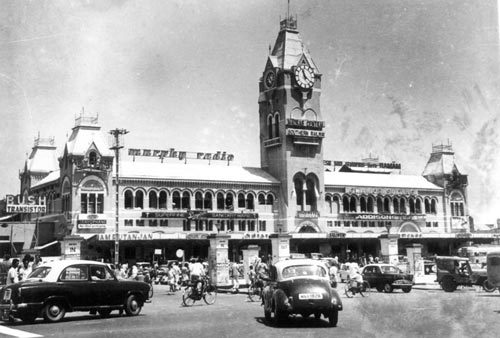
I collect most of the images from various website and trying to give a collective collection of Vintage Classic Images of Chennai. Old is always gold, but we never had the golden time to live the classic life. Hope you might enjoy the classic Chennai pictures. 1000 words cannot explain its beauty, how much beautiful the old Chennai is.

Lot of stories existence in the history of Chennai. Chennai is initially two big town named Chennapattanam and Madrasapattinam. 

Stories on origin of name of Chennapattanam are:

  • It was named after Damarla Chennappa Nayakudu, Nayaka of Kalahasthi and Vandavasi, father of Damarla Venkatadri Nayakudu, as Chennapattanam from whom the English acquired the town in 1639. The first official use of the name Chennai is said to be in a sale deed, dated 8 August 1639, to Francis Day of the English East India Company. 
  • According to the another account, Chennapattanam was named after the Chenna Kesava Perumal Temple; the word chenni in Tamil means face, and the temple was regarded as the face of the city. 


Stories on origin of name of Madrasapattinam are:


  • Madras is believed to have been derived from Madraspattinam, a fishing village north of Fort St. George. 
  • The military mapmakers believed Madras was originally Mundir-raj, or abbreviatedly, Mundiraj.
  • Other arguments suggest that the Portuguese, who arrived in the area in the 16th century, had named the village Madre de Deus, meaning the Mother of God. Another possibility is that the village's name came from the prominent Madeiros family of Portuguese origin, which consecrated the Madre de Deus Church in the Santhome locality of Chennai in 1575. 
  • Another theory concludes that the name Madras was given to Chennapattanam after it was taken from a similarly named Christian priest, while other parties are of the opinion that it might have been taken from a fisherman by the name of Madrasan, or from religious Muslim schools which were referred to as Madrasahs, or the word Madhu-ras, which means honey in Tamil.

After the English gained possession of the area in the 17th century, the two towns, Madraspattinam and Chennapattinam, were merged, and the English referred to the united town as Madrasapattinam.


More over thousand words cannot explain the beauty of the Old Chennai that our Forefathers lived. Hope these pictures may explain it. Share your comments. As soon as possible I ll update the picture captions. Hopefully my next post will be also on a classic touch of good old days.


Bank Of Madras-1935
Bank Of Madras-1935


Chennai Ambulances-1940


Barber - Chennai


Chennai Girls

Chennai - Tailor 


Baker - Chennai


Toddy Drawers -Chennai